

-
InformationThe company's main businesses are coal, coking, and education, and it also operates international trade, logistics, chemicals, power generation, heating and other supporting auxiliary industries, forming an integrated development of coal-coking-chemicals and coal-electricity. industrial chain.

-
Industry"Datuhe Brand" first-grade metallurgical coke is our pillar product and enjoys a high reputation in domestic and foreign markets.

-
-
Party workerDon’t forget your original intention, and it will become stronger over time. If you are harmonious, you will be on the right path. Datu River will play a positive role in promoting the stability of social order, improvement of people's living standards and harmonious social development in Lishi District.

-
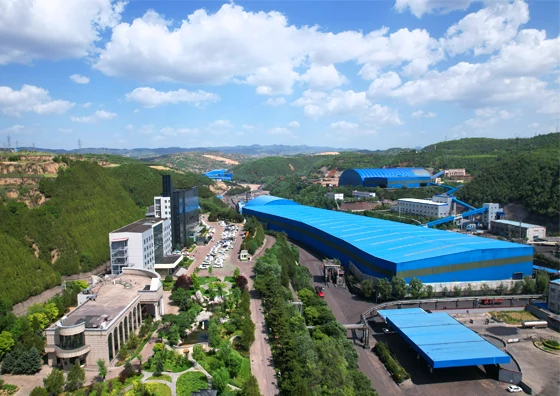


SHANXI DATUHE
Shanxi Datuhe Coke & Chemicals Co., Ltd.
Datuhe will play a positive role in promoting the stability of social order, improvement of people's living standards and harmonious social development in Lishi District.
VIEW MORE
SHANXI DATUHE
Shanxi Datuhe Coke & Chemicals Co., Ltd.
The company has solidly promoted the transformation of the economic model, focused on the optimization and upgrading of the industrial structure, and successfully embarked on a new path for the reform and transformation of coal enterprises.
VIEW MOREIndustry
●●●
Simple · Honesty · Sunshine
In the aerospace industry, liquid oxygen is an important oxidizer, typically used in combination with liquid hydrogen or kerosene (both serving as reducing agents). Some of the earliest ballistic missiles used liquid oxygen as an oxidizer, such as the V2 (liquid oxygen-alcohol) and R-7 (liquid oxygen-kerosene). When used as a propellant, liquid oxygen can provide a high specific impulse for engines; additionally, compared to another common propellant combination of dinitrogen tetroxide-hydrazine, several combinations of liquid oxygen are cleaner and more environmentally friendly (as hydrazine compounds are highly toxic). Indicator quality requirements: Oxygen (O2) content, (volume percentage) / 10-299.2 water, (H2O) no free water.
Methanol has a wide range of uses and is a fundamental organic chemical raw material and high-quality fuel. It is mainly applied in fine chemicals, plastics, and other fields to produce various organic products such as formaldehyde, acetic acid, chloromethane, methylamine, and dimethyl sulfide. It is also one of the important raw materials for pesticides and pharmaceuticals. After deep processing, methanol can be used as a new type of clean fuel and can be blended with gasoline. The reaction of methanol and ammonia can produce methylamine. The quality indicators are as follows: Color/Hazen units (platinum-cobalt color number) ≤ 10, Density (ρ20) 0.791-0.793 g/cm³, Boiling range (0°C, 101.3 kPa) at 64.0°C - 65.5°C.
Indicator quality requirements: Color/Hazen unit (platinum-cobalt color number) ≤ 10 Density (ρ20) 0.791-0.793 g/cm³ Boiling range (0°C, 101.3 kPa, within the range of 64.0°C - 65.5°C, including 64.6°C ± 0.1°C) ≤ 1.5°C Potassium permanganate test ≥ 20 min Water, w/% 0.2 Mass fraction of acid (calculated as HCOOH) ≤ 0.0050% or mass fraction of base (calculated as NH3) ≤ 0.0015% Mass fraction of hydroxyl compounds (calculated as HCHO) ≤ 0.01% Mass fraction of evaporated residue ≤ 0.
Quality requirements for indicators: - Color/Hazen units (platinum-cobalt color number) ≤ 10 - Density (ρ20) 0.791-0.793 g/cm³ - Boiling range (0°C, 101.3 kPa, within the range of 64.0°C - 65.5°C, including 64.6°C ± 0.1°C) ≤ 1.5°C - Potassium permanganate test ≥ 20 min - Water, w/% 0.2 - Mass fraction of acid (calculated as HCOOH) ≤ 0.0050% or mass fraction of base (calculated as NH3) ≤ 0.0015% - Mass fraction of hydroxyl compounds (calculated as HCHO) ≤ 0.01% - Mass fraction of evaporated residue ≤ 0.
Indicator quality requirements: Color/Hazen unit (platinum-cobalt color number) ≤ 10 Density (ρ20) 0.791-0.793 g/cm³ Boiling range (0°C, 101.3 kPa, within the range of 64.0°C - 65.5°C, including 64.6°C ± 0.1°C) ≤ 1.5°C Potassium permanganate test ≥ 20 min Water, w/% 0.2 Mass fraction of acid (calculated as HCOOH) ≤ 0.0050% or mass fraction of base (calculated as NH3) ≤ 0.0015% Mass fraction of hydroxyl compounds (calculated as HCHO) ≤ 0.01% Mass fraction of evaporated residue ≤ 0.
Indicator quality requirements: Color/Hazen unit (platinum-cobalt color number) ≤ 10 Density (ρ20) 0.791-0.793 g/cm³ Boiling range (0°C, 101.3 kPa, within the range of 64.0°C - 65.5°C, including 64.6°C ± 0.1°C) ≤ 1.5°C Potassium permanganate test ≥ 20 min Water, w/% 0.2 Mass fraction of acid (calculated as HCOOH) ≤ 0.0050% or mass fraction of base (calculated as NH3) ≤ 0.0015% Mass fraction of hydroxyl compounds (calculated as HCHO) ≤ 0.01% Mass fraction of evaporated residue ≤ 0.
Raw materials for the production of phthalic anhydride, dyes, resins, alpha-naphthoic acid, and saccharin. Industrial naphthalene is a basic chemical raw material, mainly used for producing water-reducing agents and dispersants. It is also a raw material for the production of synthetic resins, plasticizers, rubber antioxidants, surfactants, synthetic fibers, dyes, pharmaceuticals, and fragrances.
Indicator quality requirements: Color/Hazen unit (platinum-cobalt color number) ≤ 10 Density (ρ20) 0.791-0.793 g/cm³ Boiling range (0°C, 101.3 kPa, within the range of 64.0°C - 65.5°C, including 64.6°C ± 0.1°C) ≤ 1.5°C Potassium permanganate test ≥ 20 min Water, w/% 0.2 Mass fraction of acid (calculated as HCOOH) ≤ 0.0050% or mass fraction of base (calculated as NH3) ≤ 0.0015% Mass fraction of hydroxyl compounds (calculated as HCHO) ≤ 0.01% Mass fraction of evaporated residue ≤ 0.
Indicator quality requirements: Color/Hazen unit (platinum-cobalt color number) ≤ 10 Density (ρ20) 0.791-0.793 g/cm³ Boiling range (0°C, 101.3 kPa, within the range of 64.0°C - 65.5°C, including 64.6°C ± 0.1°C) ≤ 1.5°C Potassium permanganate test ≥ 20 min Water, w/% 0.2 Mass fraction of acid (calculated as HCOOH) ≤ 0.0050% or mass fraction of base (calculated as NH3) ≤ 0.0015% Mass fraction of hydroxyl compounds (calculated as HCHO) ≤ 0.01% Mass fraction of evaporated residue ≤ 0.
Indicator quality requirements: Color/Hazen unit (platinum-cobalt color number) ≤ 10 Density (ρ20) 0.791-0.793 g/cm³ Boiling range (0°C, 101.3 kPa, within the range of 64.0°C - 65.5°C, including 64.6°C ± 0.1°C) ≤ 1.5°C Potassium permanganate test ≥ 20 min Water, w/% 0.2 Mass fraction of acid (calculated as HCOOH) ≤ 0.0050% or mass fraction of base (calculated as NH3) ≤ 0.0015% Mass fraction of hydroxyl compounds (calculated as HCHO) ≤ 0.01% Mass fraction of evaporated residue ≤ 0.
Indicator quality requirements: Color/Hazen unit (platinum-cobalt color number) ≤ 10 Density (ρ20) 0.791-0.793 g/cm³ Boiling range (0°C, 101.3 kPa, within the range of 64.0°C - 65.5°C, including 64.6°C ± 0.1°C) ≤ 1.5°C Potassium permanganate test ≥ 20 min Water, w/% 0.2 Mass fraction of acid (calculated as HCOOH) ≤ 0.0050% or mass fraction of base (calculated as NH3) ≤ 0.0015% Mass fraction of hydroxyl compounds (calculated as HCHO) ≤ 0.01% Mass fraction of evaporated residue ≤ 0.
Indicator quality requirements: Color/Hazen units (platinum-cobalt color number) ≤ 10 Density (ρ20) 0.791-0.793 g/cm³ Boiling range (0°C, 101.3 kPa, within the range of 64.0°C - 65.5°C, including 64.6°C ± 0.1°C) ≤ 1.5°C Potassium permanganate test ≥ 20 min Water, w/% 0.2 Mass fraction of acid (calculated as HCOOH) ≤ 0.0050% or mass fraction of base (calculated as NH3) ≤ 0.0015% Mass fraction of hydroxyl compounds (calculated as HCHO) ≤ 0.01% Mass fraction of evaporated residue ≤ 0.
Indicator quality requirements: Ash content Aad% ≤ 12.5% Sulfur content St.d% ≤ 0.7% Moisture content Mt% ≤ 8.0% Volatile matter Vdad% ≤ 1.50% M40 ≥ 82% M10 ≥ 7.0% Post-reaction strength CSR ≥ 65.0% Reactivity CRICRI ≤ 28% Coke rate ≤ 25mm Particle size ≤ 8.0% Note: Only ash content, sulfur content, and moisture content are assessed for coke particles and coke powder.
Indicator quality requirements: Ash content Aad% ≤ 12.5% Sulfur content St.d% ≤ 0.7% Moisture content Mt% ≤ 8.0% Volatile matter Vdad% ≤ 1.50% M40 ≥ 82% M10 ≥ 7.0% Post-reaction strength CSR ≥ 65.0% Reactivity CRICRI ≤ 28% Coke rate ≤ 25mm Particle size ≤ 8.0% Note: Only ash content, sulfur content, and moisture content are assessed for coke particles and coke powder.
Indicator quality requirements: Ash content Aad% ≤ 12.5% Sulfur content St.d% ≤ 0.7% Moisture content Mt% ≤ 8.0% Volatile matter Vdad% ≤ 1.50% M40 ≥ 82% M10 ≥ 7.0% Post-reaction strength CSR ≥ 65.0% Reactivity CRICRI ≤ 28% Coke rate ≤ 25mm Particle size ≤ 8.0% Note: Only ash content, sulfur content, and moisture content are assessed for coke particles and coke powder.



Shanxi Datuhe Coking Co., Ltd.
Contact Us
Contact Phone:0358-3364281
Enterprise E-mail:dthjhgsxzb@163.com
Enterprise address: Datuhe Village, lishi district, Luliang City, Shanxi Province
WeChat Public Number